Collect Dependable
Microsamples Anywhere
Neoteryx® microsampling products are available through AppMed™, which acts as a Canadian distributor. Used in conjunction with the AppMed™ platform, results from at-home blood sample collection can be automatically integrated into the system, helping reduce reliance on clinic visits and supporting access to therapeutic drug monitoring within a coordinated digital care workflow.
Reliable
VAMS® quantitative precision — eliminates hematocrit biases, near-zero lab rejection rates.
Versatile
Blood, plasma, urine, saliva, and even tears. Humans and animals. Manual to automated workflows.
User-Friendly
99% sample acceptance rate. VAMS® tip confirms fill. Home collection by virtually anyone.
Cost-Effective
Eliminate phlebotomy, couriers, cold-chain shipping. Compatible with automated systems.
Our Products
Mitra® VAMS® Microsampling
Mitra®
VAMS® Microsampling Technology
120µL
Max Collection
99%
Acceptance Rate
✓
Health Canada
VAMS® Technology · Blood Microsampling
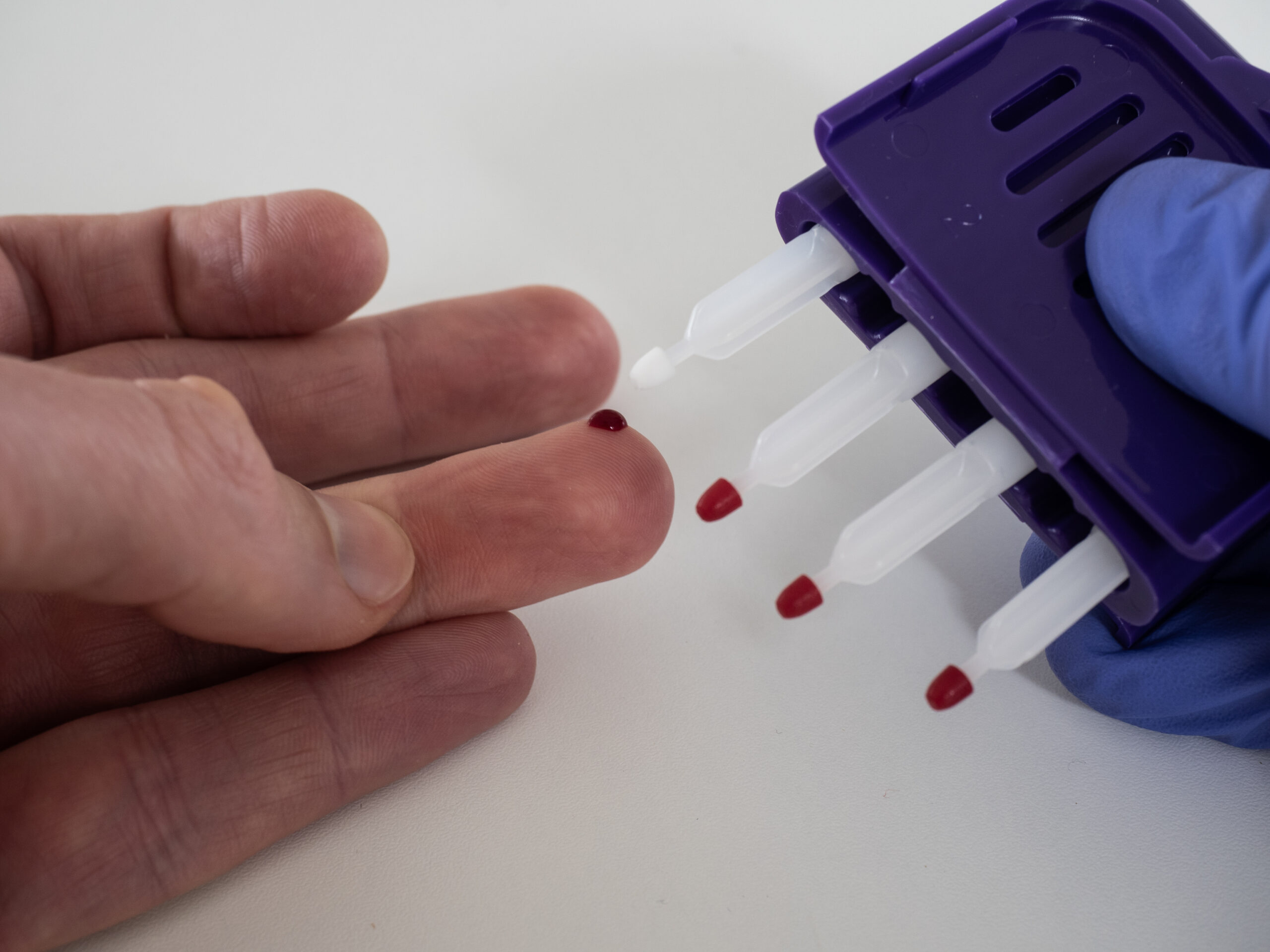
Easily Collect Up to 120µL of Blood and Ship by Mail to Laboratory
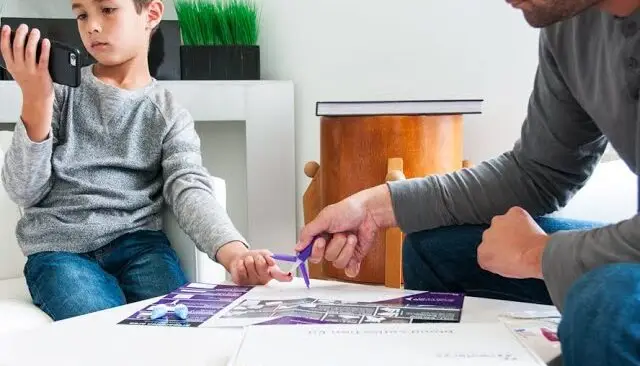
The Mitra® device was developed with Volumetric Absorptive Microsampling (VAMS®) for easy remote blood collection by virtually anyone, anywhere, anytime — offering a streamlined, flexible, and decentralized approach to biological specimen collection.
- Easier trial recruitment and increased patient adherence to sampling protocols
- Elimination of cold-chain shipping and storage requirements
- VAMS® technology eliminates hematocrit bias for consistent quantitative results
- Outer housing protects against contamination during transit
- Reduced reliance on trained staff — patients self-collect at home
Class 1 IVD Health Canada Registered
why microsampling
The Advantages of
Mitra® VAMS® Technology
Four core advantages that make Mitra® VAMS® microsampling the preferred choice for remote specimen collection in clinical, research, and home-monitoring environments.
Reliable
Quantitative sampling with pipette-like precision (RSD ≤ 5%). VAMS eliminates traditional blood hematocrit biases and results in extremely low in-lab sample rejection rates. No glue used in assembly, no matrix interferences.
Versatile
Collect biological fluids—blood, plasma, urine, saliva, and even tears—efficiently from humans and animals (e.g., finger, arm, knee, tail, etc.) or containers. Manual to fully automated workflows are available.
User-Friendly
99% sample acceptance rate validated by studies. VAMS tip acts as a fill indicator to confirm successful sampling. Outer housing protects against contamination and facilitates easy remote or home sampling.
Cost-Effective
Eliminate phlebotomy, couriers, and cold-chain shipping / storage requirements. Devices are compatible with standard automated liquid handling systems and available in various formats to suit different budgets.
Mitra® Product Formats
Four Formats for, Every Clinical Setting
Whether building a home collection kit, running a multi-site clinical trial, or processing samples in a high-throughput laboratory — there is a Mitra® format designed for your workflow.
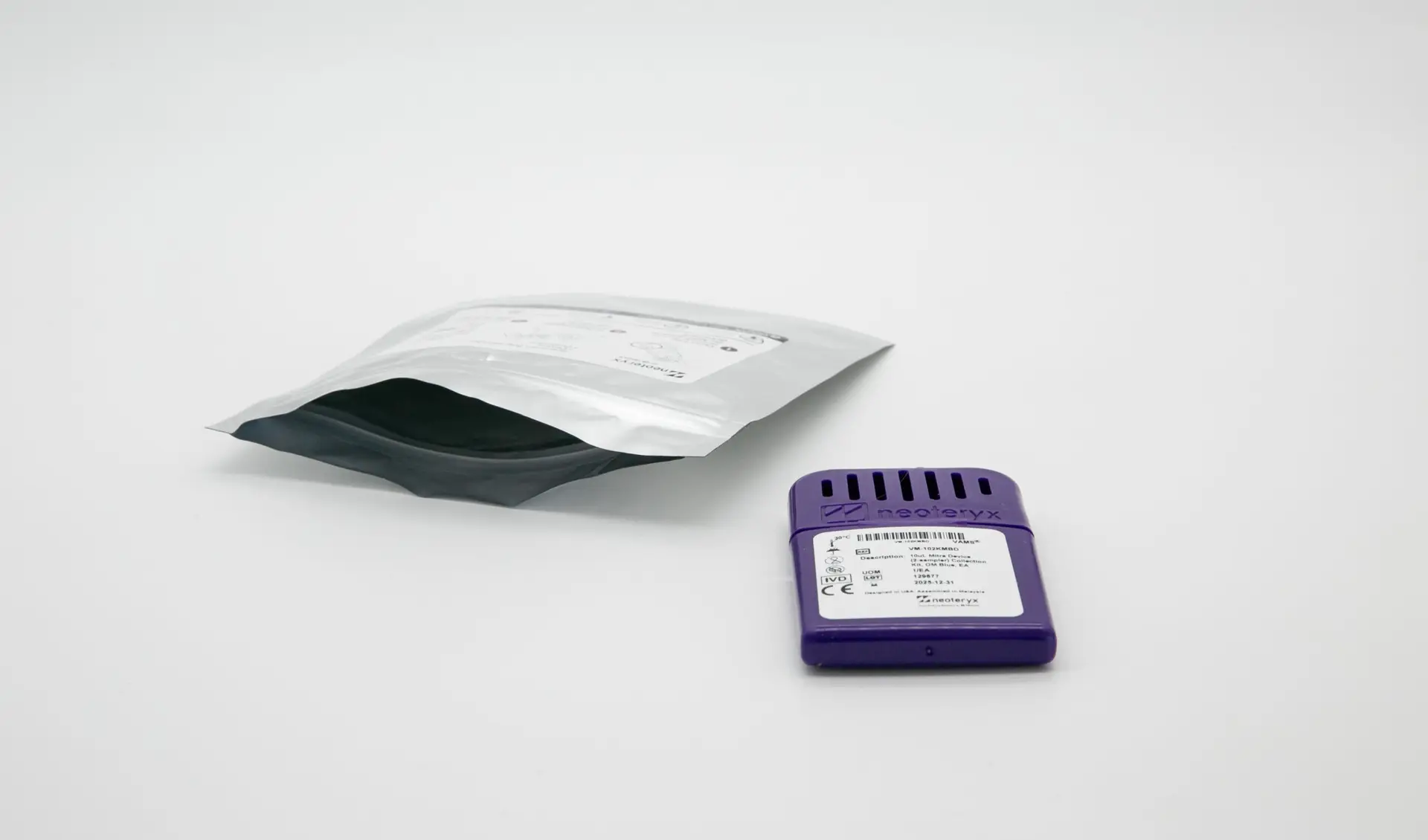
Specimen Bag
For creating remote sampling kits or maintaining bulk devices for centralized clinical sampling. Each Specimen Bag is sealed with a barcoded Mitra® device, unique identifier, and desiccant for post-collection contamination protection.
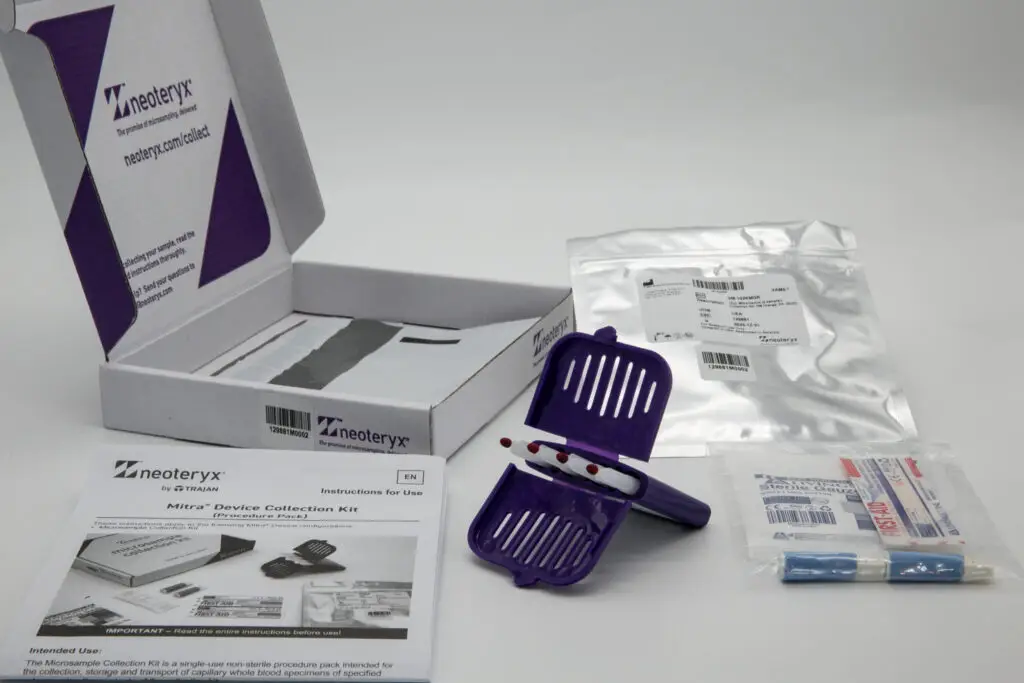
Microsample Collection Kit
Streamlines home or field blood microsampling. Includes device, chain-of-custody barcoding, instructions, finger-prick supplies, and a prepaid return-mailing envelope for direct submission to accredited labs.
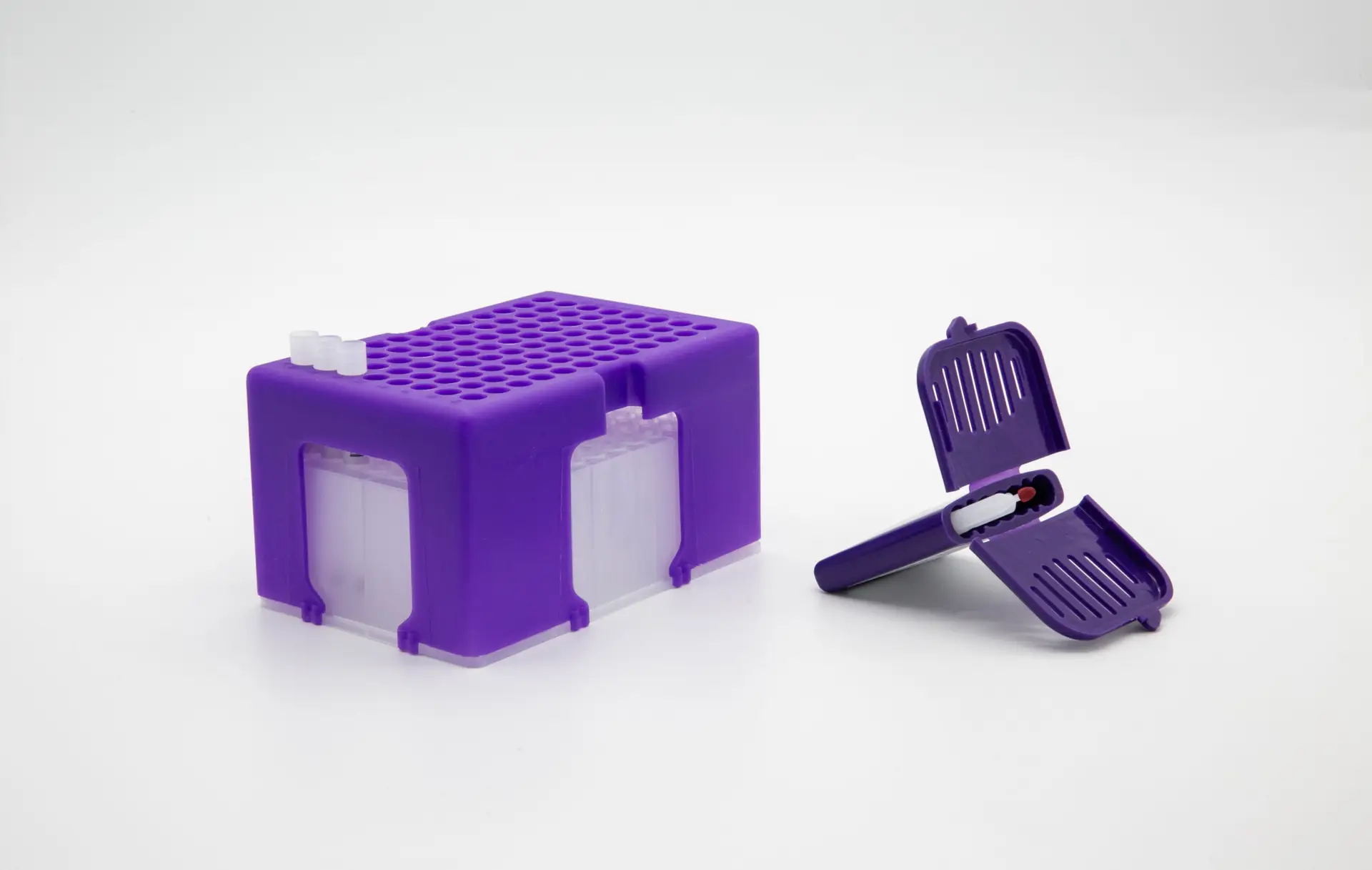
96-Autorack™
For laboratories batching Mitra® microsamples in standard 96-well format. Compatible with 1mL and 2mL collection plates and 96-channel pipettors. Available empty for accessioning or prefilled with 96 Mitra® samplers.
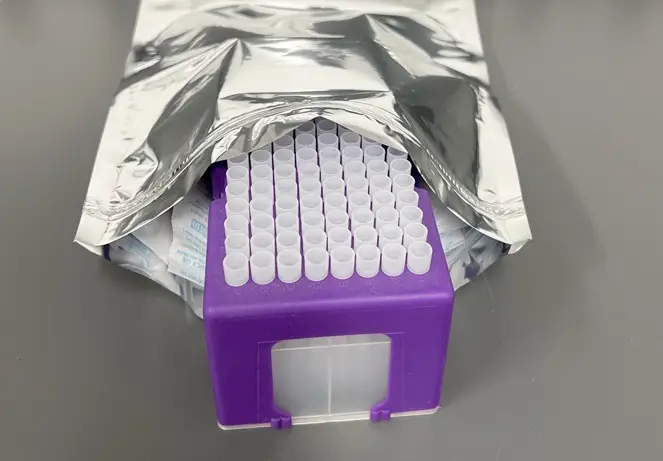
Storage Solution
For long-term deep-freezer storage of sampled Mitra® devices. Fits one 96-Autorack™ or several devices. Contains desiccant, zip closure for moisture protection, and external label for easy identification.
Validated application
Where Mitra® VAMS®
Has Been Successfully Used
Validated across clinical, research, and monitoring applications — each benefiting from home collection, mail-in shipping, and laboratory-grade results.
Therapeutic Drug Monitoring
Research Publication List
-
Optimizing medication adherence with home-monitoring – A feasibility study using capillary microsampling and mHealth in solid organ-transplanted adolescents.
Transplanted adolescents expressed perceived improved medication timing adherence when combining Mitra® microsampling with a medication-manager application (TusenTac®-app). -
New Trend in Toxicological Screening Using Volumetric Absorptive Microsampling (VAMS) and High-Resolution Mass Spectrometry (HR/MS) Combination.
90 drugs of abuse were screened. 98% of compounds detected in plasma were also detected in Mitra® whole blood specimens, with a satisfying concordance (R² = 0.827). -
Infliximab Level Between Venous and Capillary Blood Using Novel Device Strongly Correlate in Paediatric Inflammatory Bowel Disease Patients.
High correlations between Mitra® and serum samples (r = 0.991, P = 0.0001). First study to show bloodspot technology is a patient-friendly alternative to measure IFX blood levels in PIBD. -
Volumetric dried blood microsampling for monitoring imatinib mesylate therapy: Method development and clinical application in patients with chronic myeloid leukemia.
All 33 study volunteers reported little to no pain (score 2 or less). 91% stated they would be able to perform home testing if available. -
Analytical and clinical validation of dried blood spot and volumetric absorptive microsampling for measurement of tacrolimus and creatinine after renal transplantation.
In a 152-patient study, only 3.6% of Mitra® samples were rejected — significantly better than DBS cards at 10.5%. Mitra® devices were preferred over DBS cards. -
Capillary Blood Microsampling to Determine Serum Biopharmaceutical Concentration: Mitra® Microsampler vs Dried Blood Spot.
Less than 7% difference in values obtained across different lots of Mitra® samples. Samples stable at room temperature for up to 1 month.
Supported Treatment Areas
Expert Voices
"With Mitra® devices, collecting the blood sample requires only one minute, no more. There is no pain associated with the process, and no excess bleeding."
"VAMS technology allows convenient at-home monitoring and is minimally invasive. It also offers efficiencies in the clinical setting, as providers will have blood results in hand before meeting with the patient."
"The Mitra® devices dramatically improve the sample process, in terms of logistics and costs, and make storage of the samples in the central lab easier, not dependent on a freezer."
"Having a kit that allows patients to do their blood draws at home is fantastic!"
Key Benefits for TDM Programs
Preclinical Research
Your Microsampling Advantages
The 3Rs Principle in Action
Clinical Trials
Microsampling for Remote Monitoring
Are you conducting pediatric or adult clinical trials that require frequent blood sample collection? Our Mitra® and hemaPEN® remote blood microsampling devices offer easy convenience and volumetric precision!
Dried blood microsampling can deliver significant cost savings by eliminating the need for cold storage and cold shipping. With a volumetric microsampling device in hand, your staff or study participants can collect samples at the trial site or at home and send them to the lab using standard mail.
Welcome to precision sampling by anyone, anywhere, anytime!
Omics
Advancing Pre-Clinical RNA Biomarker Research
Mitra® microsampling technology, now incorporated into Cellecta's DriverMap™ RNA sequencing kits, is revolutionizing biomarker discovery by enabling efficient and scalable blood collection for pre-clinical human studies.
- GenTegraRNA-NEO™ Stabilization — Ensures RNA integrity even during extended storage periods.
- Remote Collection — Enables centralized processing from decentralized multi-site studies.
- Works seamlessly with the DriverMap™ Genome-Wide Targeted RNA-Seq Kit.
- Accurate detection of differential gene expression in small blood volume samples.
- Crucial for drug discovery and disease research applications.
- Over 90% overlap in gene expression profiles between Mitra® microsamples and standard whole blood (Tempus™ tubes).
- Strong correlation (r = 0.94) between Mitra® samples and traditional blood collection methods.
- Supports high-resolution biomarker discovery in cancer, infectious diseases and drug response studies.
- Effectively detects differentially expressed genes (DEGs) in both stimulated and unstimulated blood samples.
Standardized Process Benefits
Biomonitoring
Microsampling for Human Health
Using just a few drops of blood from a finger stick, labs can analyze microsamples to measure an individual's exposure to environmental contaminants, ranging from metals to pesticides and other hazardous substances. Microsampling devices like Mitra® or hemaPEN® help streamline the process, offering a convenient and mobile solution for environmental health initiatives.
Detectable Contaminants
Toxicology
Content Coming Soon
Our team is currently compiling research publications and clinical data for this application area. Check back soon for a comprehensive overview of how Mitra® VAMS® technology is being applied in toxicology.
Hormones & Steroids
Content Coming Soon
Our team is currently compiling research publications and clinical data for this application area. Check back soon for a comprehensive overview of how Mitra® VAMS® technology is being applied in hormones & steroids monitoring.
Biomarkers
Content Coming Soon
Our team is currently compiling research publications and clinical data for this application area. Check back soon for a comprehensive overview of how Mitra® VAMS® technology is being applied in biomarker research.
Vitamins
Content Coming Soon
Our team is currently compiling research publications and clinical data for this application area. Check back soon for a comprehensive overview of how Mitra® VAMS® technology is being applied in vitamin and nutritional monitoring.
Allergens
Content Coming Soon
Our team is currently compiling research publications and clinical data for this application area. Check back soon for a comprehensive overview of how Mitra® VAMS® technology is being applied in allergen testing.
Population Screening
Content Coming Soon
Our team is currently compiling research publications and clinical data for this application area. Check back soon for a comprehensive overview of how Mitra® VAMS® technology is being applied in population-level health screening programs.
Infectious Diseases
Content Coming Soon
Our team is currently compiling research publications and clinical data for this application area. Check back soon for a comprehensive overview of how Mitra® VAMS® technology is being applied in infectious disease diagnostics and monitoring.
Our Products
Harpera™ Microbiopsy™ Punch
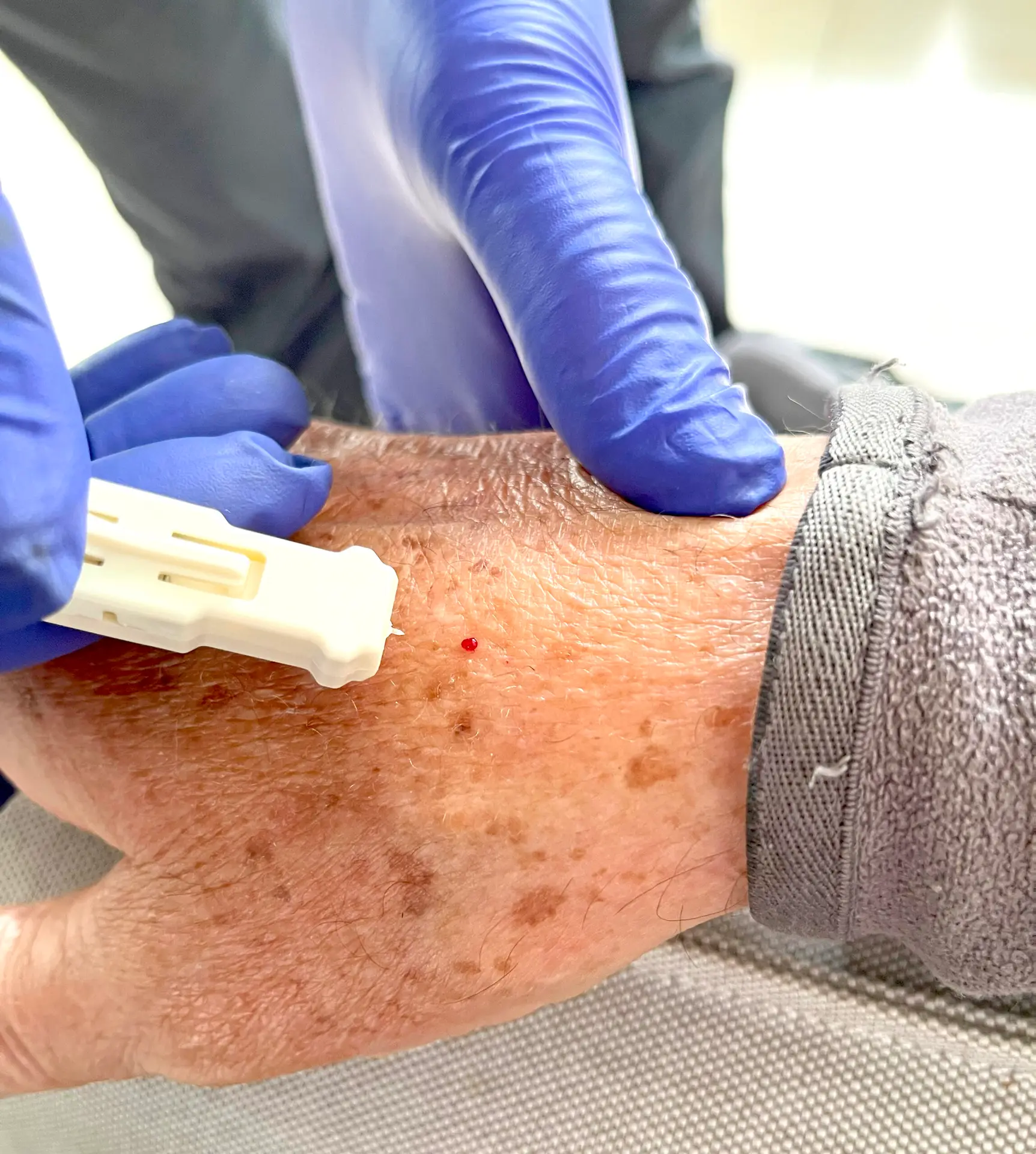
Harpera®
Microbiopsy Punch
Harpera® Technology · SkinMicrosampling
Scarless skin biopsy technique
The Harpera Microbiopsy Punch is transforming clinical dermatology research by providing a highly efficient and minimally invasive skin biopsy solution. Research and clinical teams will benefit from its key features, designed for precise Microbiopsy collection
- A Microbiopsy collector crafted from precision laser-cut stainless steel
- A safety cap and insert for enhanced protection
- An ergonomic handle for effortless handling
- Consistent and controlled punch actuation for reliable sample collection
why skin biopsy
The Advantages of Harpera®
Harpera™ has been used in dermatology research for skin cancer, inflammatory conditions, and biomarker analysis.
It enables minimally invasive, repeatable skin sampling to support longitudinal studies and personalized treatment insights.
Reliable
The Microbiopsy design offers a virtually painless, suture-free experience, ideal for collecting specimens in sensitive areas and at multiple sampling sites.
Versatile
Suitable for a range of clinical and research dermatology applications, advancing the way of collecting skin specimens.
User-Friendly
Designed for facilitating the sampling procedure with a controlled punch. Safe manipulation of device before and after procedure.
Precision sampling
Collects specimens within and at vicinity of targeted site, Suitable for all topical sampling procedures.
Mitra® Product Formats
Four Formats for Every Clinical Setting
Whether building a home collection kit, running a multi-site clinical trial, or processing samples in a high-throughput laboratory — there is a Mitra® format designed for your workflow.
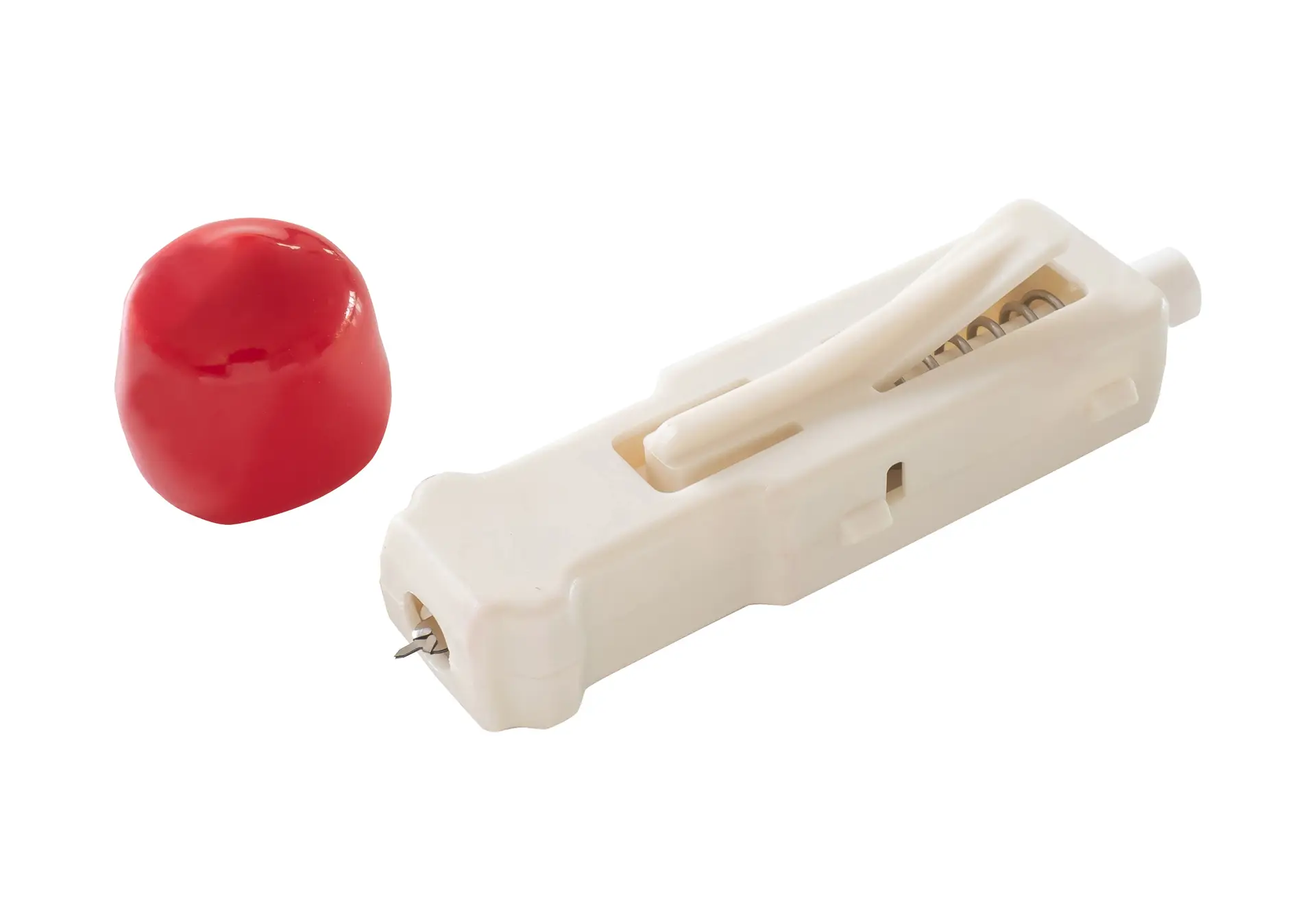
Harpera Microbiopsy Punch (IUO)
Indication for use: The Harpera Microbiopsy Punch for investigational use only (IUO) is intended to enable the collection of a specimen from the cutaneous skin surface by a healthcare professional for clinical studies.
Product Description: The Harpera Microbiopsy Punch is a single-use manual skin punch, a hand-held disposable device intended to achieve a controlled skin puncture in order to obtain a specimen. The device is supplied individually packaged and sterile through gamma irradiation.
Validated application
Where Harpera® Has Been Successfully Used
Harpera™ has been used in dermatology research for skin cancer, inflammatory conditions, and biomarker analysis.
It enables minimally invasive, repeatable skin sampling to support longitudinal studies and personalized treatment insights.
Skin Cancer
Research Publication List
- Banan, P., et al. (2013). Effects of ex vivo skin microbiopsy on histopathologic diagnosis in melanocytic skin lesions. JAMA Dermatol 149(9): 1107-1109.
- Prow, T.W., et al. (2013). The opportunity for microbiopsies for skin cancer. Future Oncol 9(9): 1241-1243.
- McClenahan, P., et al. (2014). BRAFV600E mutation status of involuting and stable nevi in dabrafenib therapy with or without trametinib. JAMA Dermatol 150(10): 1079-1082.
- Tan, J.-M., et al. (2015). BRAF Wild-Type Melanoma In Situ Arising In a BRAFV600E Mutant Dysplastic Nevus. JAMA Dermatology 151(4).
- Dermatology Research Centre, University of Queensland (March 2016). Natural history and properties of naevi in advanced melanoma patients receiving treatment. ACTRN 12616000272493 (ANZCTR).
- Sobarun, P., et al. (2017). Microbiopsy Biomarker Profiling in a Superficial Melanoma Resembling a Pigmented Basal Cell Carcinoma. JAMA Dermatol 153(4): 334-336.
- Jain, M., et al. (2022). Minimally invasive microbiopsy for genetic profiling of melanocytic lesions: A case series. J Am Acad Dermatol 87(4): 903-904.
Skin Disease / Disorders
Research Publication List
- Yamada, M., et al. (2020). Microbiopsy-based minimally invasive skin sampling for molecular analysis is acceptable to Epidermolysis Bullosa Simplex patients where conventional diagnostic biopsy was refused. Skin Res Technol.
- Preis, S., et al. (2022). Munich atopy prediction study (MAPS): protocol for a prospective birth cohort addressing clinical and molecular risk factors for atopic dermatitis in early childhood. BMJ Open 12(9): e059256.
Infectious Skin Disease
Research Publication List
- Carter, E., et al. (2023). A feasibility study of controlled human infection with intradermal Bacillus Calmette-Guerin (BCG) injection: Pilot BCG controlled human infection model. Wellcome Open Res 8: 424.
- Tom, L.N., et al. (2016). Skin microbiopsy for HPV DNA detection in cutaneous warts. J Eur Acad Dermatol Venereol 30(12): e216-e217.
- Kirstein, O.D., et al. (2017). Minimally invasive microbiopsies: a novel sampling method for identifying asymptomatic, potentially infectious carriers of Leishmania donovani. Int J Parasitol 47(10-11): 609-616.
- Churiso, G., et al. (2020). Minimally Invasive Microbiopsies as an Improved Sampling Method for the Diagnosis of Cutaneous Leishmaniasis. Open Forum Infect Dis 7(9): ofaa364.
- Cloots, K., et al. (2021). Assessing L. donovani Skin Parasite Load: A Proof of Concept Study of a Microbiopsy Device in an Indian Setting. Front Cell Infect Microbiol 11: 645121.
- Owen, S.I., et al. (2021). Evaluation of qPCR on blood and skin microbiopsies, peripheral blood buffy coat smear, and urine antigen ELISA for diagnosis and test of cure for visceral leishmaniasis in HIV-coinfected patients in India: a prospective cohort study. BMJ Open 11(4): e042519.
- Liverpool School of Tropical Medicine (April 2023). Using BCG Vaccine to Understand Tuberculosis Infection. NCT05820594 (ClinicalTrials.gov).
- Van Henten, S., et al. (2024). Evaluation of Less Invasive Sampling Tools for the Diagnosis of Cutaneous Leishmaniasis. Open Forum Infect Dis 11(4): ofae113.
- Duncan, N.R., et al. (2025). From skin to sequence: pan-species detection and speciation of Leishmania. J Infect Dis.
- Vojtkova, B., et al. (2025). Infectiousness of Leishmania major to Phlebotomus papatasi: differences between natural reservoir host Meriones shawi and laboratory model BALB/c mice. PLoS Negl Trop Dis 19(6): e0013183.
General Dermatology
Research Publication List
- Primiero, C.A., et al. (2024). Skin 2.0: How Cutaneous Digital Twins Could Reshape Dermatology. J Invest Dermatol.
- Lin, L.L. and T.W. Prow (2017). Novel microdevices for controlled blood and skin extraction, NHMRC. Impact 2017(6): 58-60.
- Fimiani, M., Rubegni, P., Cinotti, E. (2020). Technology in Practical Dermatology. Springer Cham.
- Hadeler, E., et al. (2021). Innovations in translational research in dermatology: minimally invasive methods for bio-sample acquisition. Dermatol Online J 27(10).
Method Development
Research Publication List
- Lin, L.L., et al. (2013). Microbiopsy engineered for minimally invasive and suture-free sub-millimetre skin sampling. F1000Res 2: 120.
- Lei, B.U.W., et al. (2019). Absorbent Microbiopsy Sampling and RNA Extraction for Minimally Invasive, Simultaneous Blood and Skin Analysis. JoVE (144): e58614.
Cosmeceutical Applications
Research Publication List
- Yamada, M., et al. (2020). A minimally invasive clinical model to test sunscreen toxicity based on oxidative stress levels using microbiopsy and confocal microscopy - A Proof of concept study. Int J Cosmet Sci.
order microsampling products
Ready to Start Sampling,
Anywhere, Anytime?
Order Mitra® collection devices, kits, and formats directly through AppMed™ — Canada’s exclusive Neoteryx® distributor. Contact us for volume pricing, custom kits, and clinical trial support.